Spring
Willows, maples, serviceberry, fruit trees, dandelion, and early meadow flowers help colonies build brood.
Beneficial Plants
Use this as a starting point, then check local native plant lists and ecoregional guides. Hardiness zone only describes winter minimum temperature, not whether a plant belongs in every local ecosystem.
Plant Finder
Prioritize pesticide-free plants, sequential bloom, local ecotypes, and a mix of flower shapes that supports more than honeybees alone.
Willows, maples, serviceberry, fruit trees, dandelion, and early meadow flowers help colonies build brood.
Clover, basswood, mountain mint, bee balm, milkweed, and herbs can support the main flow or bridge droughty gaps.
Goldenrod, asters, sneezeweed, sunflowers, and late herbs support fat winter bees before cold weather arrives.
Nectar Flows
A nectar flow calendar helps connect colony weight gain, weather, bloom observations, and management decisions. Local records become more valuable every year they are repeated.
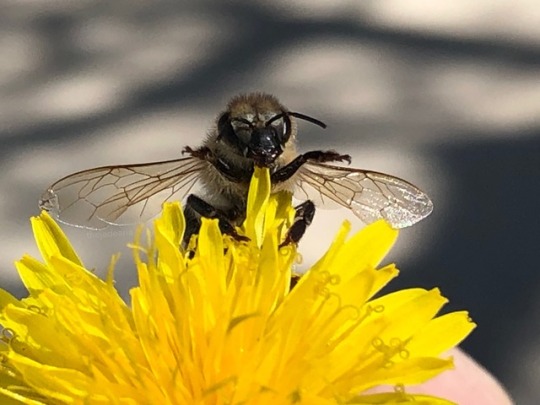
Watch maples, willows, elms, henbit, deadnettle, and dandelion. Colonies may build brood before reliable nectar is available.
Fruit bloom, serviceberry, clover, black locust, tulip poplar, and early meadow plants can drive rapid expansion in many regions.
Basswood, clovers, herbs, brambles, milkweed, and region-specific crops can create strong gains when weather cooperates.
Hot, dry periods can reduce nectar even when flowers are visible. Hive weight, robbing, and water activity become important signals.
Goldenrod, asters, late sunflowers, ivy in some regions, and fall herbs support winter bee development and final stores.
Date, plant species, bloom density, pollen color, visible nectar collection, weather, hive weight change, and local mowing or spraying activity.
Track flow starts, peak weeks, dearth periods, and fall finish dates across years. Pair observations with USDA zone and ecoregion.